Gambling’s cultural significance exploring its role in society and tradition
The Historical Context of Gambling
Gambling has deep historical roots, dating back thousands of years. Ancient civilizations, such as the Chinese and Romans, incorporated various forms of gambling into their cultures. For instance, dice made from animal bones were found in archaeological digs, highlighting the popularity of games of chance. This historical context reveals how gambling was not merely a pastime but also played a significant role in rituals and social interactions. As people engaged in these activities, they often turned to casino sites not on gamstop for additional entertainment options.
The emergence of gambling activities provided an avenue for people to connect and engage with one another, often serving as a method for resolving disputes or celebrating victories. In this sense, gambling has historically functioned as a cultural unifier, transcending social classes and backgrounds to bring individuals together.
Cultural Practices and Gambling
Cultural practices surrounding gambling vary widely across different societies, often intertwined with local traditions and beliefs. In some cultures, gambling is seen as a rite of passage or a means of honoring ancestral spirits. For example, in parts of Africa and Asia, traditional games of chance are often played during festivals and communal gatherings, reinforcing communal bonds and shared identities.
Additionally, gambling often reflects societal values and norms. In cultures where risk-taking is celebrated, gambling may be viewed as a test of bravery and skill. Conversely, in societies that emphasize caution and moderation, gambling might be frowned upon, highlighting the complex relationship between culture and gambling practices.
The Role of Gambling in Modern Society
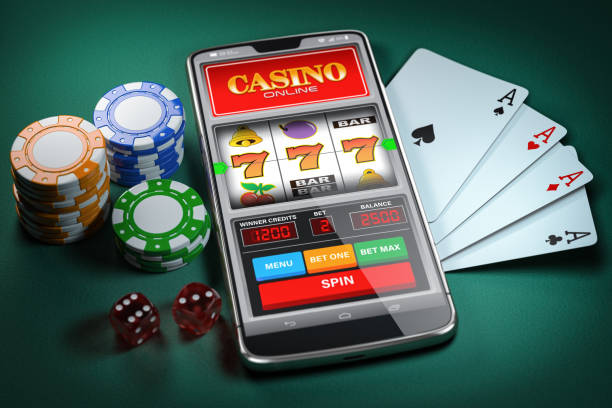
In modern society, gambling has transformed significantly, fueled by technological advancements and the globalization of the entertainment industry. Online casinos and betting platforms have made gambling more accessible, attracting a diverse demographic. This accessibility can lead to both positive and negative consequences, including economic benefits for communities and the risk of addiction.
Moreover, gambling often plays a role in fundraising and community development. Many organizations utilize gambling events, such as bingo nights and poker tournaments, to raise funds for local charities. This dual aspect of gambling as both entertainment and a means of support underscores its evolving role in contemporary society.
The Impact of Gambling on Social Structures
Gambling can significantly influence social structures, often revealing underlying issues within a community. While it can foster social interaction and community bonding, it can also lead to social stratification, particularly when gambling activities become associated with wealth and success. The disparity between high-stakes gamblers and casual players can create divisions that impact social dynamics.
Additionally, the consequences of gambling, including addiction and financial strain, can have profound effects on families and relationships. Understanding these impacts is crucial for addressing the challenges associated with gambling in society. As communities grapple with these issues, the need for responsible gambling initiatives becomes increasingly important.

Exploring Resources for Responsible Gambling
As gambling continues to evolve, so do the resources available for those affected by its negative aspects. Various organizations and websites offer support for individuals struggling with gambling addiction, providing education and assistance to promote responsible gaming practices. These resources are essential for fostering a safe environment where gambling can be enjoyed without adverse effects.
Moreover, platforms dedicated to raising awareness about gambling-related issues play a crucial role in informing the public. They offer guidance for both gamblers and their families, emphasizing the importance of recognizing potential problems early on. Engaging with these resources can help individuals navigate the complex relationship between gambling, culture, and society, promoting a healthier approach to gaming.